History of the EMO
The year is 1900. Two years earlier, the war waged by General Gordon’s Egyptian-British army against the Mahdi uprising had come to an end.
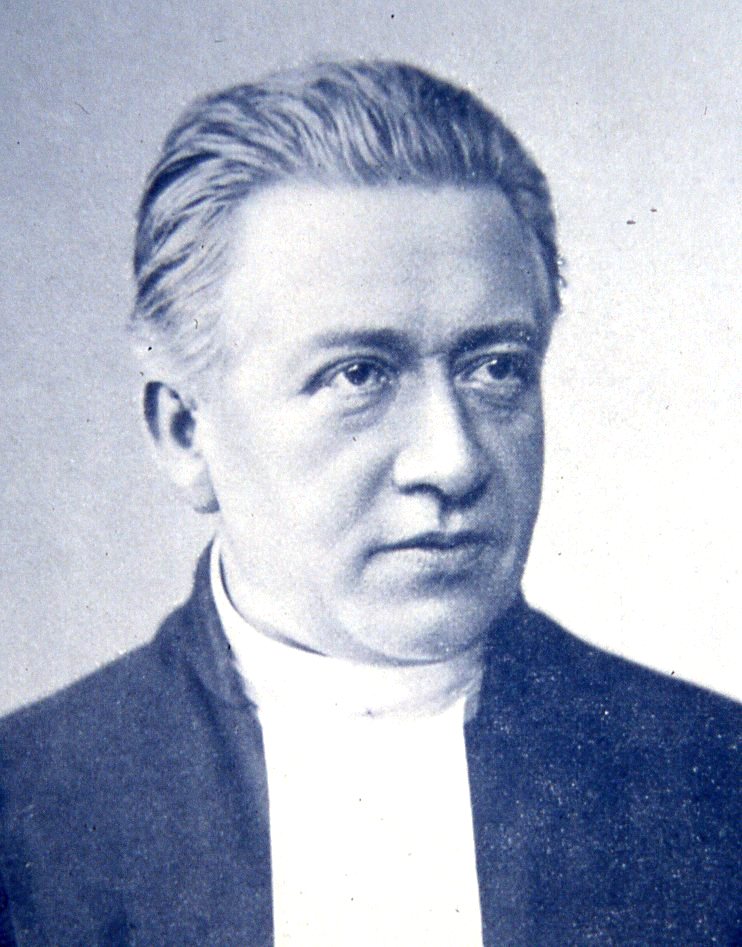
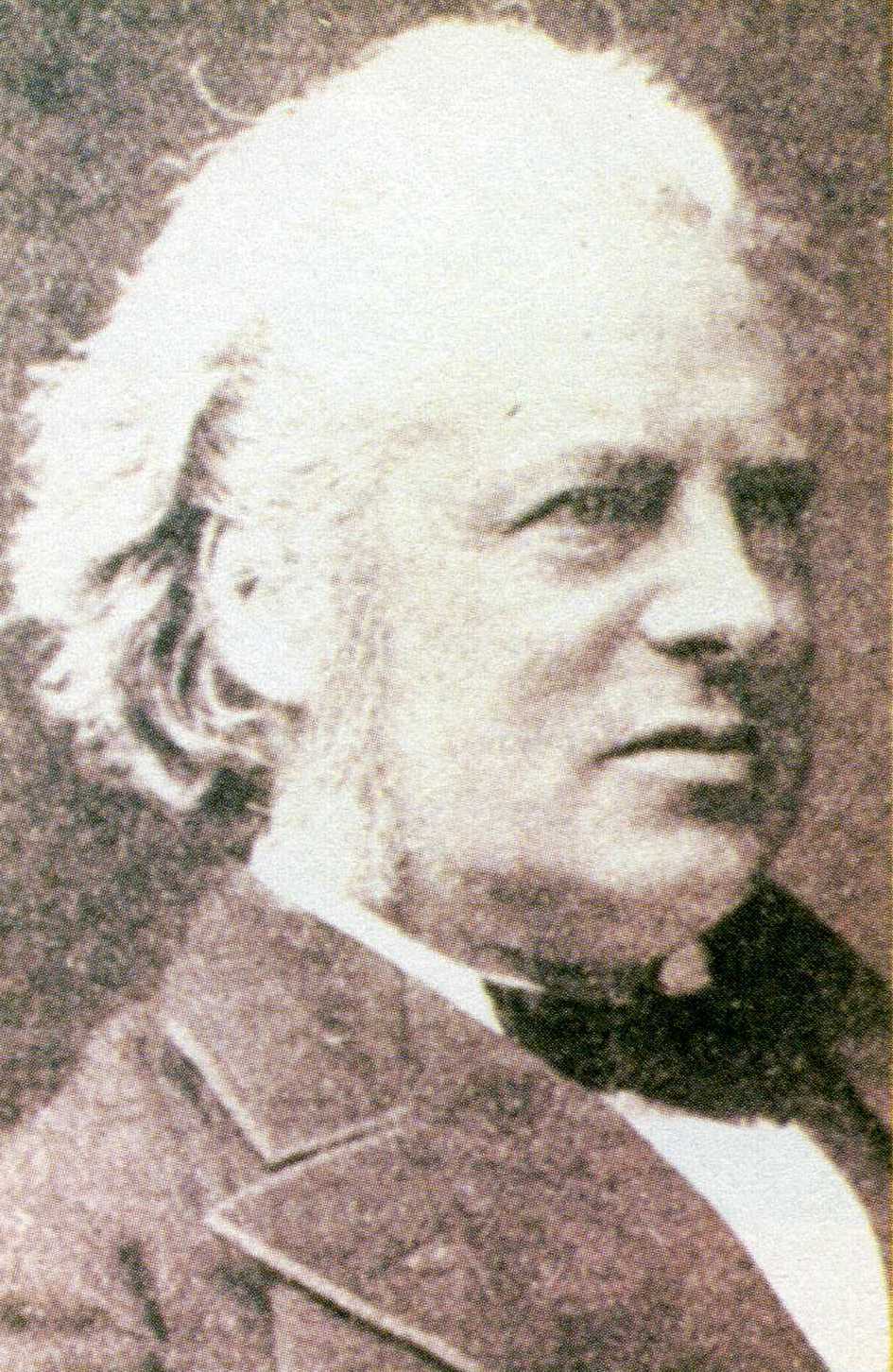
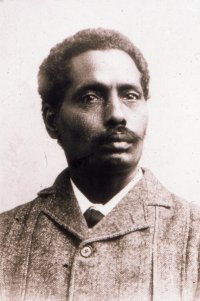
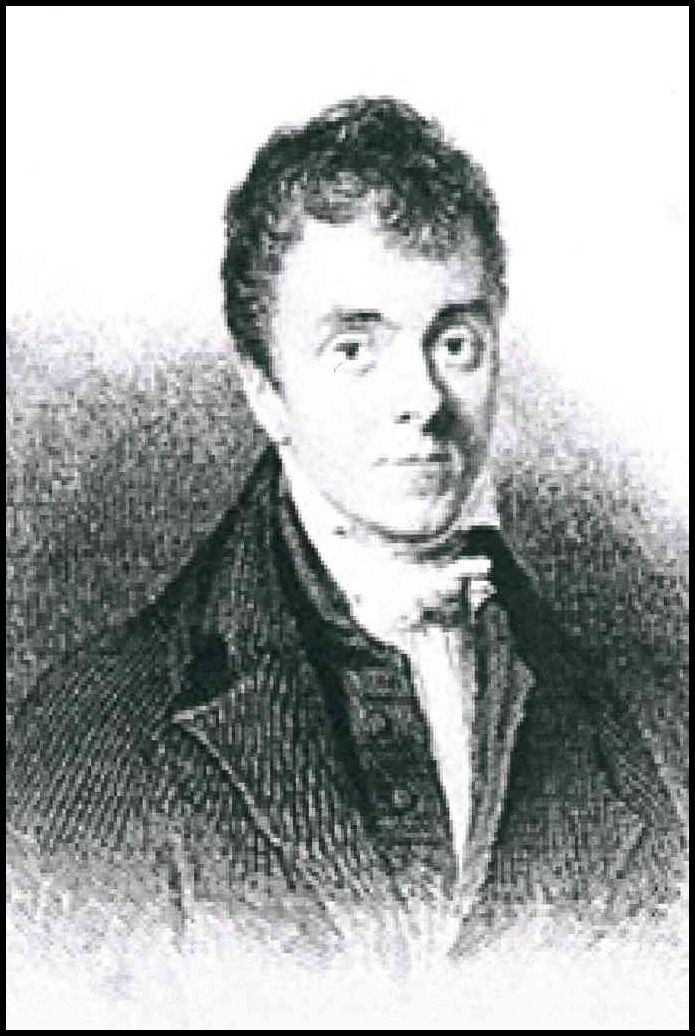
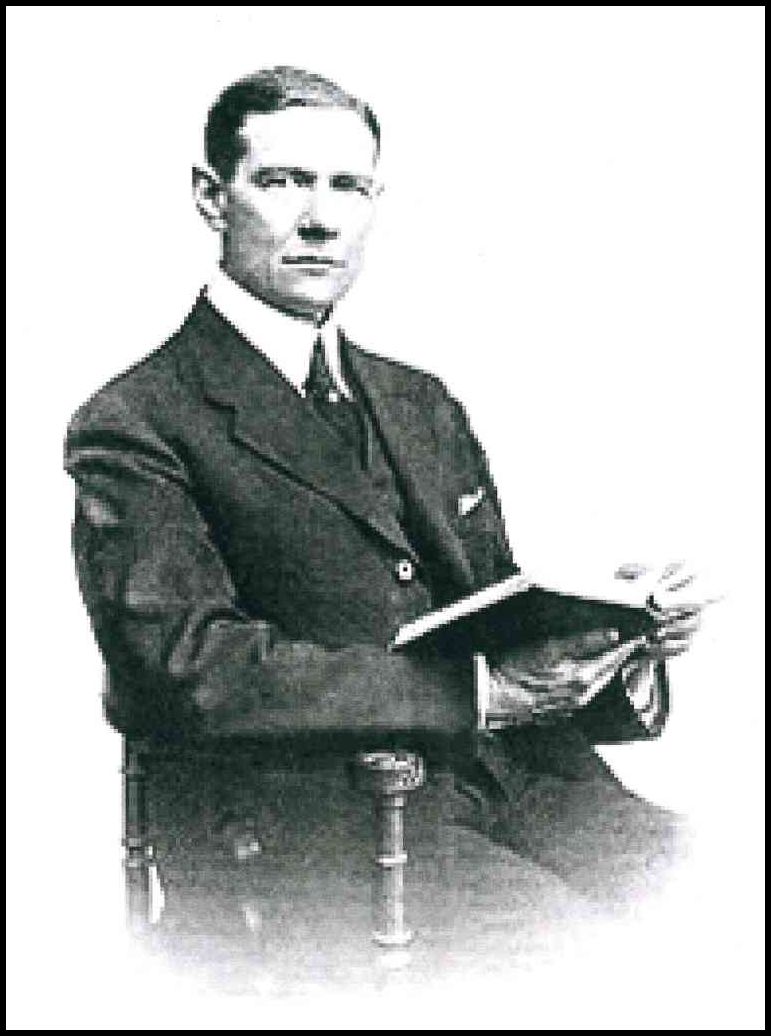
The region is slowly returning to calm. Christians in Europe, who are deeply committed to missionary work in the interior of Africa, are giving a great deal of thought to how the light of the Gospel of Jesus Christ can be brought to the people in the lands along the Nile and westwards towards the Niger. This region is known as ‘Greater Sudan’; today it is called the Sahel. In January 1900, a group of people – some of whom already knew one another – unexpectedly gathered at the post office in Schellal, a small village south of Aswan in Upper Egypt: Samuel Ali Hussein, a Muslim and Egyptian Nubian who had converted to Jesus Christ; the Irish evangelist and missionary teacher Dr Henry Grattan Guinness; his daughter Lucy Guinness, who had a talent for writing; and her fiancé, the young German missionary to Africa, Karl W. Kumm. Later, a fifth, crucial figure played an important role: Theodor Ziemendorff, a pastor from Wiesbaden and a leading figure in the German community movement. The four who met there in the very south of Egypt regarded this encounter as divinely guided and decided on the spot to found a missionary society, which they named the ‘Sudan Pioneer Mission’ (SPM, now EMO). Thus began the fascinating history of this missionary organisation, which continues to this day.
- 1900 – Founding of the SPM (Sudan Pioneer Mission)
- 1913 – Construction of the hospital in Aswan
Between 1914 and 1950, the EMO went through severe crises. It was forced to suspend its activities in Upper Egypt for two periods of ten years each due to the world wars (1914 to 1924 and 1939 to 1950). As a result, the Swiss Circle of Friends became an independent mission organisation, which worked in partnership with the Wiesbaden-based organisation for many years but, after the Second World War, also took on its own areas of work in Northern Sudan and Eritrea. The organisation was not spared turbulence in Germany either. This was linked, on the one hand, to the Nazi dictatorship and, on the other, to internal management problems. The only constants during this turbulent period were the work of the Marienhaus in Wiesbaden and the chairmanship of Wilhelm Ziemendorff (1913–1948). However, over time, the Wiesbaden Mission drifted further away from its evangelical roots and emphasised its affiliation with the Evangelical Church.
- 1914 – Outbreak of the First World War. Staff leave Egypt
- 1919 – Samuel is elected elder
- 1923 – The National Bank of Egypt sells off German-owned property
- 1925 – The property is transferred back to the SPM
- 1926 – Opening of Koschtamme as the first station in Nubia
- 1931 – The polyclinic begins operations
- 1935 – The Koschtamne station is submerged by the dammed Nile
- 1939 – Outbreak of the Second World War. Mission staff are forced to leave Egypt
- 1945 – Houses in Wiesbaden are hit by bombs and damaged
- 1945 – End of the Second World War
It is understandable that, after the Second World War, the staff initially picked up where their work had left off in 1939. As no congregations had yet emerged from their work and the mission had not integrated its work into a local church, the old objective of evangelistic and charitable ministry amongst the Muslim population was resumed. In doing so, a thoroughly pragmatic approach had to be adopted. It was not the time to develop grand plans for the future. Whilst medical and nursing work and evangelistic preaching continued within the limits of what was possible, it was not possible to resume the school work. Alongside the pragmatic continuation of the work, concerns soon arose about its very survival.Political and social developments made the work increasingly difficult and threatened to bring it to a complete standstill. The small mission in Upper Egypt had, so to speak, its back against the wall. The question was whether and how it could survive. The staff expected to be expelled and their work to be terminated at any moment. It was a miracle every time a staff vacancy could be filled again with the authorities’ approval. Naturally, those in charge considered whether the local Evangelical Presbyterian Church should take over the work. In European missionary circles at the time, the integration of the mission into the church was being called for and encouraged. But the staff sent to Egypt resisted this. They rightly doubted whether the Protestant Church would be prepared to serve Muslims through medical and evangelistic work and to invite Muslims to follow Christ. There was also a fear, however, that integration in Egypt would cause support from friends in Europe to wane, and that integrating the mission into European churches would deprive it of its goal of converting Muslims.
- 1950 – German staff return to Egypt
- 1953 – Renamed the Evangelical Mission in Upper Egypt (EMO)
- 1960 – A modern nurses’ residence is built
- 1969 – The hospital and nurses’ residence were occupied by the Egyptian military
- 1970 – EMO became involved in educational work in Tunis
- 1975 – Orientdienst becomes an independent association
- 1977 – EMO becomes a partner organisation of the Evangelical Mission Society (EMW)
- 1979 – EMO’s first nurse is sent to Sudan
- 1979 – EMO becomes a member of the Working Group of Evangelical Missions (AEM)
- 1988 – Dr Samir Sarofim becomes the first Egyptian chief medical officer
- 1989 – Registration of the Evangelical Hospital in Aswan
- 1990 – Opening of the clinic in Ballana
- 1990 – EMO is renamed the Evangelical Community for the Middle East e.V.
- 1999 – Work begins in Sheikh Haroun
Towards the end of the 1990s, the work of foreign nurses in Dongola had initially come to a standstill. From late April to early June 1999, the anaesthetist Dr Dorothea Loock was introduced to the culture and way of life in Dongola by Gertrud Wilken, and subsequently learnt Arabic in Khartoum. From spring 2000, she initially worked as a doctor at the hospital in Abri. Unfortunately, she was not granted recognition as an anaesthetist nor permission to practise as such in Dongola. The situation at the hospital in Abri had changed in the meantime. Until 1993, hospital stays and treatment were free of charge, which meant the hospital was well attended. When subsidies for hospitals were cut nationwide in 1993, this was initially offset in Abri thanks to the excellent work of the doctor in charge at the time. Since 1998, however, there had been a sharp decline in patient numbers. Private healthcare services had been established, often with staff lacking adequate training. In this situation, the EMO staff were able to offer patients the following services: free treatment for the poor, free food for young children (milk, eggs, porridge), expertise, care and compassion. In the long term, however, they were faced with the question of how the work could continue. Staff members who see their gifts and calling in the field of medical and pastoral care would, in the long run, feel underchallenged professionally at Abri.
Ministry in Germany
The mission mandate amongst Arabic-speaking people and other immigrants, which was further developed within the EMO after the turn of the millennium, follows in the tradition of the Orientdienst founded by Willi Höpfner in 1963 and builds on the expansion of this work to include migrants in general during the 1960s and 70s. At the same time, today’s mission work in Germany has its origins in the popular missionary activities of the Marienhaus and the wider SPM community during its first decades in Wiesbaden. Much fruit has grown from these roots in the years following the turn of the millennium. In the new millennium, the two staff members, Elia Morise and Ahmad Ziad Turkamani, continued their fruitful ministry amongst Arabic-speaking people, which they had begun in the 1990s. Even back then, they had built on the work of earlier missionaries (Dr Renate Fritz, Eberhard Troeger and others).
- 2005 – Dr Kamil Shukrallah becomes the first Egyptian to be appointed head of the Al-Germaniyya team
- 2009 – Training programme for general practitioners begins
- 2009 – Ground-breaking ceremony for the hospital extension
- 2013 – Hospital’s 100th anniversary
- 2023 – Start of medical services for Sudanese refugees